Environmental Services Optimization Playbook (ESOP) at HITS 2019

This episode is part of our in-depth coverage of the Healthcare Infection Transmission Systems (HITS) Consortium 2019 conference in Buffalo, NY that took place August 6-8th. Check out all our shows from HITS 2019.
If we've established anything on The #HCBiz Show, we've established that healthcare is complex. And with a million priorities, each with its own complexity, it can be difficult to know if you're doing any of it right. So, we do the best that we can with the knowledge, resources, and tools at our disposal, and put out the fires when they occur.
This, of course, can be very problematic when the work is more complex than it seems. And that is certainly the case when it comes to Environmental Services (EVS). We outlined the complexity of the issue at HITS 2018 with Christine Greene and Maurits Hughes, and you can check that out if you need more background. Today, we're going to talk about a way to close the knowledge gap.
The Environmental Services Optimization Playbook (ESOP) is a multi-disciplinary, cross-industry initiative to support reliable design (standardization of evidence-based practices) for environmental cleaning and disinfection in health care facilities in alignment with AHE Standards, to reduce the risk of HAI (healthcare-associated infection). As project lead Aaron Jett puts it, "it's like bringing Coke and Pepsi together to talk about the best ways to make soda".
On this episode, we get acquainted with the ESOP initiative and talk about how it will standardize around the 4 Ps: Patient, Product, Process, and Processing. And, in what might be our favorite part at the #HCBiz Show, the playbook will even provide guidance for explaining all of this to the various stakeholders within the health system. That's huge!
Environmental Services Optimization Playbook (ESOP)
Primary Purpose: To support reliable design (standardization of evidence-based practices) for environmental cleaning and disinfection in health care facilities in alignment with AHE Standards, to reduce the risk of HAI (healthcare-associated infection).
For more information: https://www.zeroinfections.org/esop---evs-optimization-playbook.html
Aaron Jett
Aaron Jett has a clinical background as an Infection Preventionist and APIC partner; Certified Safety Professional, and OSHA walkway auditor for STF injury prevention. In addition he is a designated trainer for the Association for the Health Care Environment of the American Hospital Association. Mr. Jett is designated to train and certify through AHE's Certified Health Care Environmental Services Technician program. He is also a Master Trainer of AHE's Value-based Product Evaluation and Implementation Program, which is a component of AHE's Strategic Leadership Program.
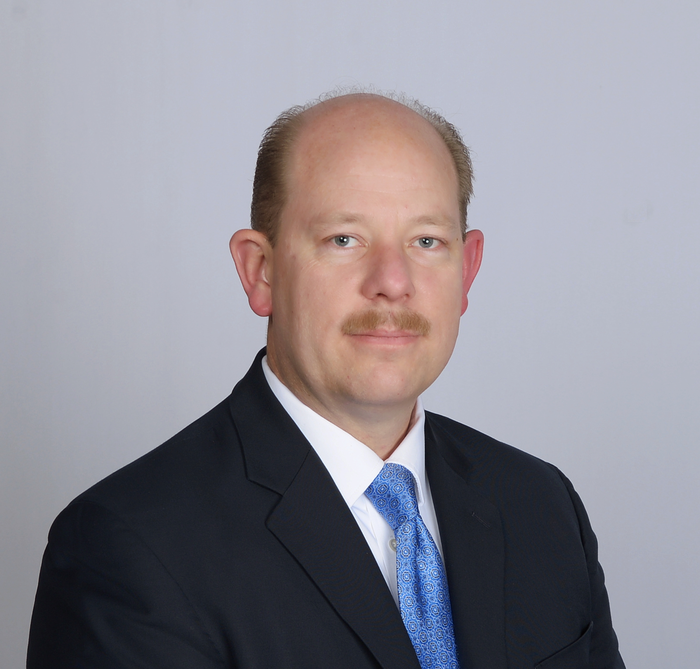
Mr. Jett grew up in Southern California learning the family owned maintenance and contract cleaning business. His passion to help people grew with his knowledge and experience, all stemming in his volunteer work, disaster relief efforts, and teaching others. Graduating with honors, he pursued a course in Fire Prevention and worked as a first responder for the State of California Dept. of Forestry and Fire -RCOFD. When his father fell ill, he took over the day to day running of the family business, tripling its size and eventually selling it after meeting his wife. His desire to help others continued to grow when his father contracted MRSA after a knee surgery and his wife's mother contracted Clostridium Difficile; he saw firsthand the effects of a nosocomial illness.
Continuing his education into HAIs and the role of pathogens in the environment of care, and working alongside leading experts, he furthered his education and certifications, and now serves as an infection prevention resource to many of the top health systems in the US and Canada and leading health care contract cleaning companies.
Mr. Jett is focused on Joint Commission national patient safety goals and achieving the triple aim (CQO). He volunteers his time to advocate for Rare Disease Awareness and supports AHE's Mission.
Alicia Cole
Alicia Cole is listed among “25 of the Nation’s Best Practices in Patient and Family Engagement” by the Caregiver Action Network.
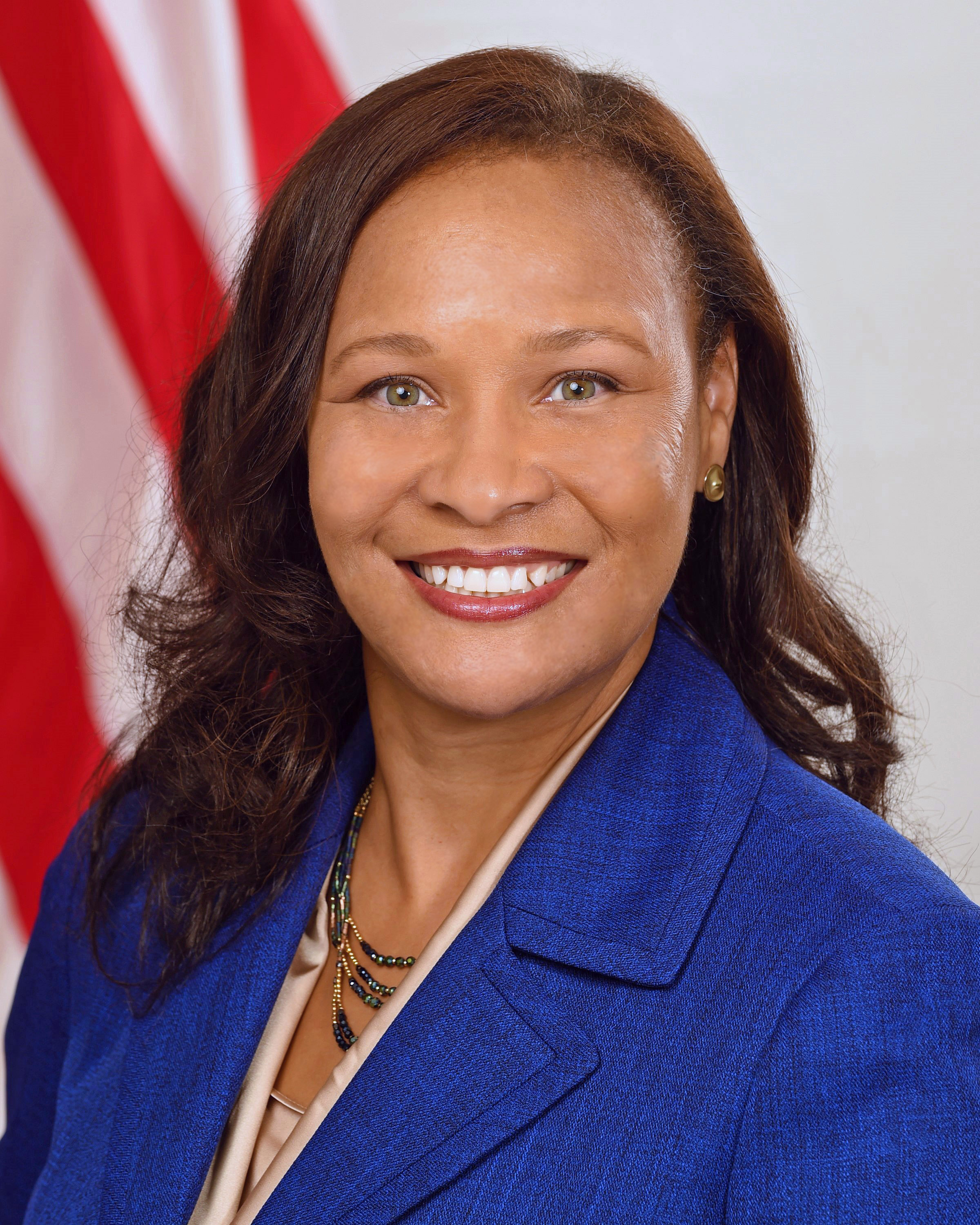
Honored by President Obama in a national address for her advocacy work, Alicia now serves on the Presidential Advisory Council for Combating Antibiotic Resistant Bacteria (PACCARB). Appointed to a four-year term by Secretary of Health & Human Services, Sylvia Burwell, Alicia was selected as a Co-Lead for the Stewardship & Prevention Working Group of that esteemed council.
Her comeback from barely clinging to life in 2006 as the survivor of multiple antibiotic-resistant hospital infections, near-fatal sepsis and necrotizing fasciitis (flesh-eating disease) fuels her passion to save others from the anguish and suffering she endured. The battle to save her life following routine fibroid removal included: six additional surgeries; nine powerful antibiotics; nine blood transfusions; near amputation of her leg; an open abdomen for three years, and ten years of weekly aftercare.
While bedridden and recovering, Alicia, with a talk-to-type program, began using social media to share her experience and advocate for quality improvements in healthcare. She helped co-sponsor and lobbied successfully for passage of two California laws for infection prevention education for health care workers and public reporting of hospital infection rates known collectively as “Nile’s Law” (SB158, SB1058.)
In 2016, Alicia was one of five to receive the prestigious Humanitarian Award from the Patient Safety Movement at its Global Summit. The other recipients were President Barack Obama, Vice-President Joe Biden, Senator Barbara Boxer, and German Professor Kai D. Zacharowski, MD, PhD, FRCA.
Alicia currently serves on the Patient & Family Executive Council for the Centers for Medicare & Medicaid Services Partnership for Patients 2.0. She also sits on the Environmental Services and the Education & Awareness Sub-committees of the California Department of Public Health’s HAI Advisory Committee.
In between doctor’s appointments, the former Ohio State Alum returned to school and obtained a Post-Graduate Certificate in Healthcare Management & Leadership from UCLA School of Public Health. She also earned a Patient Safety Certificate through the American Society for Healthcare Risk Management’s annual Learning Academy.
Loretta Fauerbach
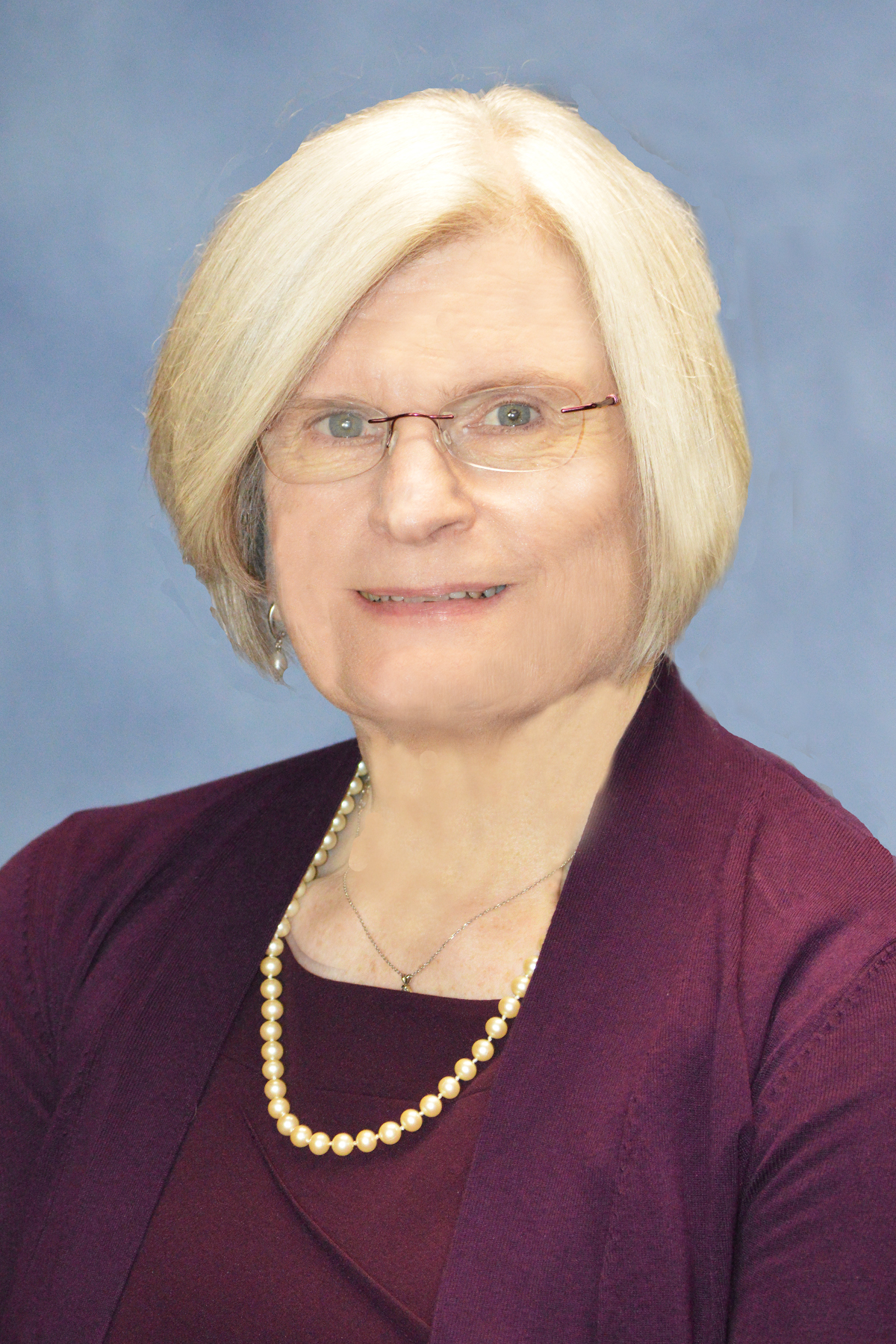
Loretta Litz Fauerbach, MS, FSHEA, CIC is the Lead Infection Preventionist for Fauerbach & Associates, LLC, Providing Global Infection Prevention Services. Ms. Fauerbach was the Director of Infection Prevention & Control for Shands at the University of Florida for 28 years. Her expertise encompasses the healthcare continuum of care. Ms. Fauerbach received APIC’s, “Carole DeMille Lifetime Achievement Award, 2007” for her contributions/achievements in the field of infection prevention and control. She was the infection preventionist leader of the Shands Hospital at the University of Florida’s 4E Surgical Intensive Care team who won “Health and Human Services Partners in Prevention Award” in 2002. Fauerbach is an active member of APIC, SHEA and ASM. Mrs. Fauerbach is currently a member of the Healthcare Infection Control Practice Advisory Committee (HICPAC). Mrs. Fauerbach is the managing editor the AHE Practice Guidance for Health Care Environmental Cleaning which is in production and with publication in 2019. She has served on the APIC's Board of Directors and APIC committees: Membership; Guidelines and then the Practice Guidance Team Leader; Communications Team Leader; and served as a member and co-chair of APIC’s Nominating and Awards Committee. In 2002 Ms. Fauerbach testified before the Institute of Medicine on APIC’s behalf related to healthcare associated infection data. Ms. Fauerbach has served as APIC's liaison to AAMI, HICPAC, FDA and IDSA during which multiple sentinel guidelines were produced by those agencies/associations. She was also APIC’s leader for the SHEA/ APIC/ CDC Communication Network. She represented APIC on the Joint Commission’s expert panels for the monographs on hand hygiene, influenza vaccination and Tdap vaccination. Fauerbach has presented at regional and national meetings and authored articles for peer-reviewed journals. She was a section editor of The APIC Text of Infection Control and Epidemiology and author of two chapters; a chapter author of “APIC’s Elimination Guide: Guide to Preventing Clostridium difficile Infections”; and a chapter author for The Joint Commission/APIC Infection Prevention and Control Workbook. She was a member of the SHEA spring conference committee for 2017-2018.
John Scherberger
John Scherberger, BS, FAHE, CHESP, is the principal at Healthcare Risk Mitigation in Spartanburg, SC. Healthcare Risk Mitigation is a consulting enterprise that assists healthcare, laundry, hospitality, and other professionals in enhancing their operations through education and the incorporation of industry Best Practices into their operations through Risk Mitigation, improvement of healthcare laundry operations, healthcare Environmental Services and hospitality housekeeping operations, Infection Prevention processes and practices, Personal Care professionals and guest interactions and processes.
He is a Fellow of the Association for the Healthcare Environment (FAHE) and holds the Certified Healthcare Environmental Services Professional (CHESP) designation from the Hospital Association. He is a Certified Trainer, EPEC (Education for Physicians on End-of-Life Care), from the Feinberg School of Medicine, Northwestern University, Chicago, Illinois, a Certified Trainer in Pastoral Crisis Intervention from the International Critical Incident Stress Foundation, and a Certified Dementia Specialist from the Norman J. Arnold School of Public Health, University of South Carolina, Office for the Study of Aging.
John is regular contributor to numerous trade journals, magazines, and periodicals. He is a regular contributor to LinkedIn and the Association for the Healthcare Environment. John has been a speaker at numerous national and state conferences for healthcare associations. He has 19 years in the hospitality and food service management industries and an additional 15+ years in healthcare management.
He is a past President of the Board of Directors for the Healthcare Laundry Accreditation Council (HLAC) and a former member of the Board of Directors for the Certification Center of the American Hospital Association. He is a past board member of the Association for the Healthcare Environment (AHE) and the South Carolina Chapter of the AHE. Mr. Scherberger also serves on numerous AHE advisory committees.
Mr. Scherberger is a recognized subject matter expert in emergency preparedness, Critical Incident Stress Management, contract negotiations, healthcare and hospitality Environmental Services and Housekeeping, healthcare laundry operations, food service safety and hygiene, infection prevention and control, microfiber textiles and biofilm and it’s impact on patient outcomes.
Michael R. Overcash
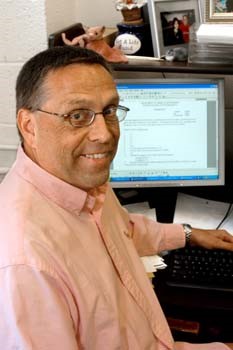
Dr. Overcash has developed an in-depth national research program in two distinctive areas. One of these is life cycle inventory research, developing the new areas for utilization of the life cycle tools, leading to the discovery of the Environmental Genome. Dr. Overcash has led the effort in life cycle inventory techniques using the design-based methodology. The resulting database of about 1,500 chemical and materials manufacturing plants is based on a heuristics approach around unit processes and is the largest chemical life cycle database in the world. In addition, his work has focused on healthcare evaluations based on quality patient care, but at lower environmental impacts. His work included radiology, dialysis, medical textiles (surgical gowns, patient isolation gowns, drapes/tapes), food services, pharmaceuticals, patient treatment form MRSA, new and current chemicals and plastics, flooring systems, and healthcare disinfection systems. Dr. Overcash has been active in European life cycle efforts and peer reviews of research in this field including a year as a Senior Scientist with the Office of Naval Research, London, UK.
The second of these areas is sustainability research. In this field, he has helped organize the various models for sustainability in healthcare organizations used in research and sought the common characteristics of these models. Since sustainability is built on quantifying improvement, the integration of life cycle inventory is a central part of his sustainability research. Dr. Overcash also chaired subcommittees in recent sustainability projects on sustainable carpet standard and complex national infrastructures. Thus, he has contributed to the emergence of standards for sustainability of products and services in fields like healthcare, as well as the need to define the leading-edge research of this field.
His professional contributions include fourteen books, over 700 articles for journals, symposia, and reports, and service on seven National Academy of Science committees. He has also served on scientific advisory committees for the Air Force, State of North Carolina, the National Science Foundation, several offices of EPA, and corporate research and planning groups. Dr. Overcash has pioneered the research field in industrial pollution prevention since 1980. His role as Director of the Office of Exploratory Research Center for Waste Minimization (EPA) allowed the development of critical research and new technology projects that define the research in the pollution prevention field.
Michael R. Overcash graduated with a B. S. degree in Chemical Engineering from North Carolina State University. He earned an M. S. degree in the same field while on a Fulbright Scholarship at the University of New South Wales, Sydney, Australia. He received his Ph.D. from the University of Minnesota in Chemical Engineering.
Dr. Overcash served as a Professor of Chemical Engineering, as well as a Professor of Biological and Agricultural Engineering at North Carolina State University. He has received the Young Researcher Award from the American Society of Agricultural Engineers, the 1990 Environment Award of the American Institute of Chemical Engineers, and the EPA Distinguished Visiting Scientist. He served as the Sam Bloomfield Chair in Sustainable Engineered Systems in the Department of Industrial and Manufacturing Engineering at Wichita State University. Currently he is the Executive Officer of the non-profit, Environmental Genome Initiative.
Listen to the interview right here: