Addressing SDOH One Factor at a Time w/ Dr. Virginia Gurley

The social determinants of health (SDOH) are a hot topic in the healthcare industry. And rightly so:



 Or, listen right here:
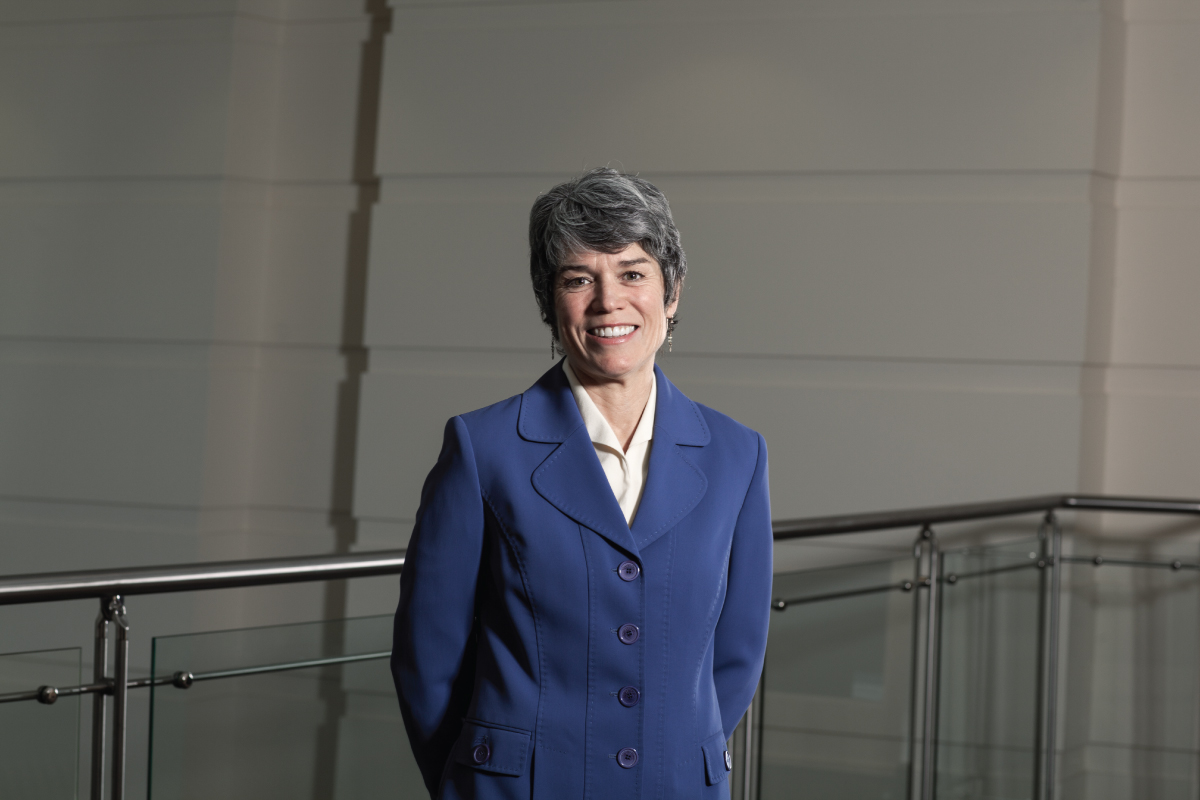 content development and analytics activities for the company, as well as providing strategic clinical oversight for delivery of population health management services. Dr. Gurley brings with her more than 30 years of experience in preventive medicine, clinical programs and systems design, analytics, and health education. Prior to this role, Dr. Gurley held leadership positions at managed care organizations and care management vendors, including Healthways, Blue Cross Blue Shield of Michigan, McKesson, and Henry Ford Health System. Dr. Gurley earned her MD from the University of California at Davis School of Medicine, and completed her residency training at George Washington University and Johns Hopkins University, where she also completed her MPH in Epidemiology.
"Social, economic, and environmental issues have been shown to influence the length and quality of life by 50%, according to community health research. In comparison, only 20% is tied to the clinical care provided to community residents." ~ Dr. Virginia Gurley, Sr. Vice President and Chief Medical Officer at AxisPoint HealthBut SDOH is not a new concept - it's just modern terminology for something called Social Epidemiology. What's new, is the ability to apply SDOH data to expand existing predictive models of risk stratification. By identifying the patients that are at the highest risk both clinically and socially, you can help care coordinators get much more tactical and concrete about supporting the individual. On this episode, Dr. Virginia Gurley, Sr. Vice President and Chief Medical Officer at AxisPoint Health joins us to explain how to put SDOH data to work. As usual, there's some science and some art involved. First, you must obtain the data and incorporate it into your models. Then, and this is where the rubber meets the road, you must find a way to use those indicators to address your patient's needs without pushing them away. On this latter issue, Virginia shines. She shares subtle, yet effective techniques that'll change the way you interact with patients. You don't want to miss it!
What you'll learn about addressing SDOH factors
- What are the Social Determinants of Health (SDOH)?
- The infamous WHO chart that shows life expectancy vs. healthcare spend - it clouds our vision.
- What are the SDOH factors that are addressable (Transportation, Social Isolation, Financial Stress, Housing)
- What methods or data are available to help identify these factors?
- Don't expect answers. Just like claims data – treat SDOH factors as an indicator that needs to be verified.
- How do you put this data to work? Two main strategies or approaches.
- Can we use this model to identify who may develop chronic disease and get to them earlier?
- What will allow the transition to working more upstream?
- Can we track it and prove it at the community level?
- How does the care coordinator use SDOH indicators at the point of care?
- Are patients open to this type of help?
- How do you measure and quantify ROI?
- What results have you seen so far?
- Where are we headed next in our mission to address SDOH?
Or, listen right here:
About Virginia Gurley, MD, MPH
Virginia Gurley, MD, MPH is the Senior Vice President and Chief Medical Officer at AxisPoint Health, responsible for leading all clinical content development and analytics activities for the company, as well as providing strategic clinical oversight for delivery of population health management services. Dr. Gurley brings with her more than 30 years of experience in preventive medicine, clinical programs and systems design, analytics, and health education. Prior to this role, Dr. Gurley held leadership positions at managed care organizations and care management vendors, including Healthways, Blue Cross Blue Shield of Michigan, McKesson, and Henry Ford Health System. Dr. Gurley earned her MD from the University of California at Davis School of Medicine, and completed her residency training at George Washington University and Johns Hopkins University, where she also completed her MPH in Epidemiology.